In remote areas of Lao PDR, where three quarters of the whole population live, people do not have access to public infrastructure. Electricity plays a potential role in their lives, and yet the roads cannot be easily accessed and the villages are not connected to grid-electricity. Therefore, the only way for these people to access electricity is through solar panels. However, one factor discourages them in using these independent decentralized systems: money. Their initial costs as well as their technical servicing, replacements and amortizations, and operational costs are too high for the villagers to maintain. | 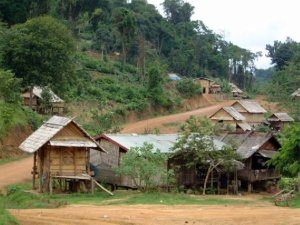 Figure 1: |
 Figure
2: Sunlabob
|
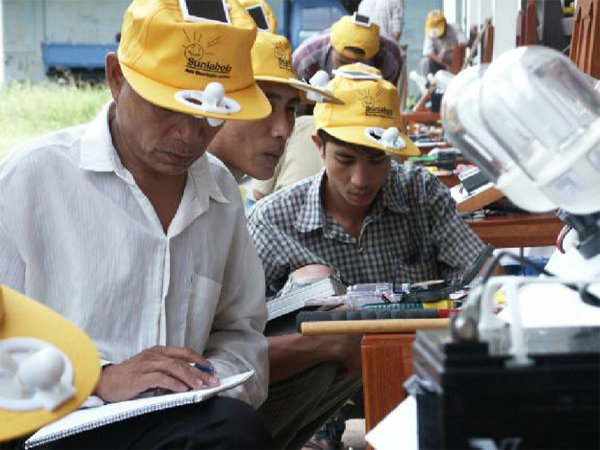
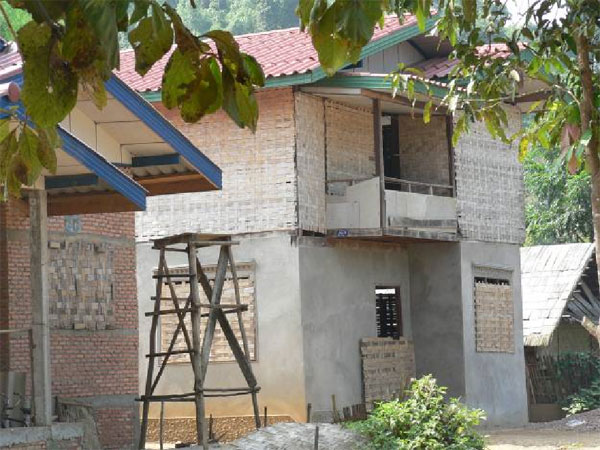
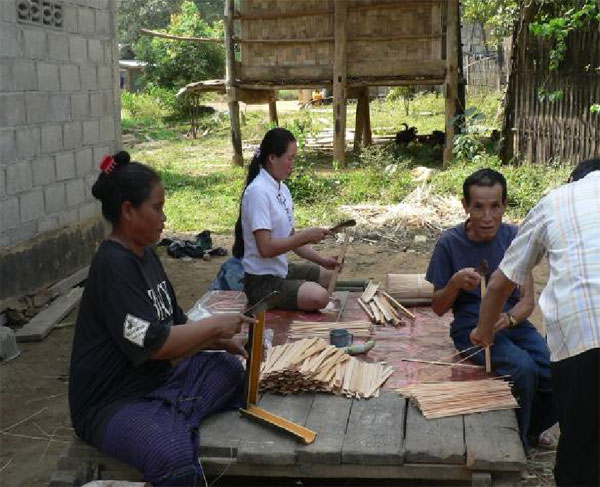
In 2004, Sunlabob, a Lao commercial company which aims to ‘provide affordable and reliable energy solutions with renewable energy sources,’ decided to supply the communities with SHS (Solar Home Systems) on a free-for-service basis with their equipments and machines. This way, everyone in the rural area can have a complete access to electricity by only paying rent fees on a regular basis. During the last four years since this project was established in Ban Sorg, 170 SHS have been installed and more than 200 households (two thirds of the 1500 people living there) have rented the Sunlabob SHS. With electricity, people can raise their family income by using more hours per day in a productive manner, schools can have a better learning environment for their 175 students, and health clinics can store medicines and vaccines for the patients. |
Ban
Sorg:
Figure 3:
Figure 4:
Villagers Using More Time Productively | 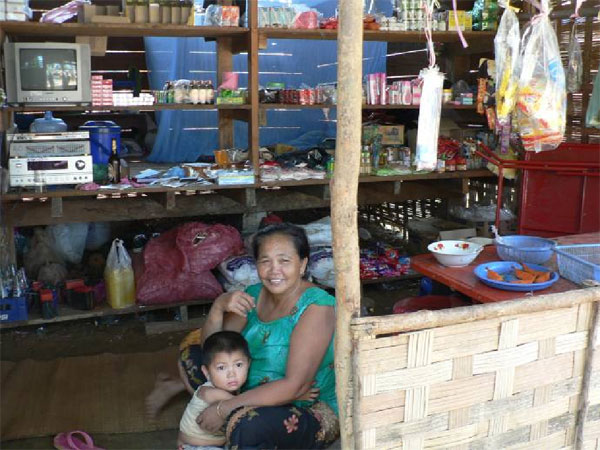
Figure 5:
Villagers Having Access to Television
|
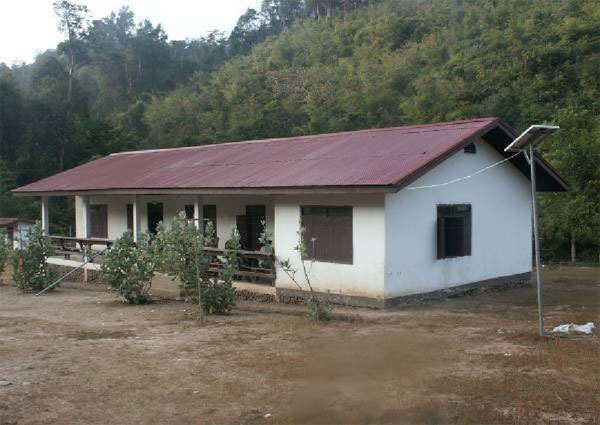
Figure 6: School
with Electricity
| 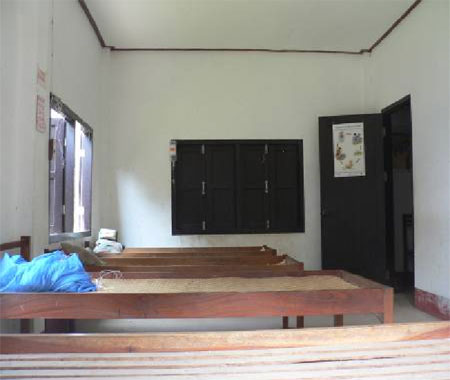
Figure 7:
Hospital with Electricity
|
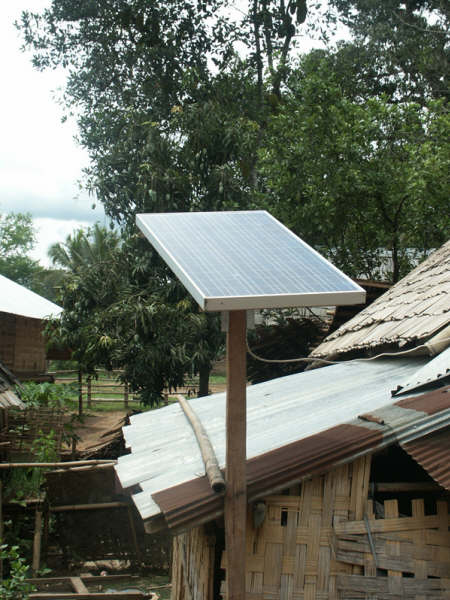 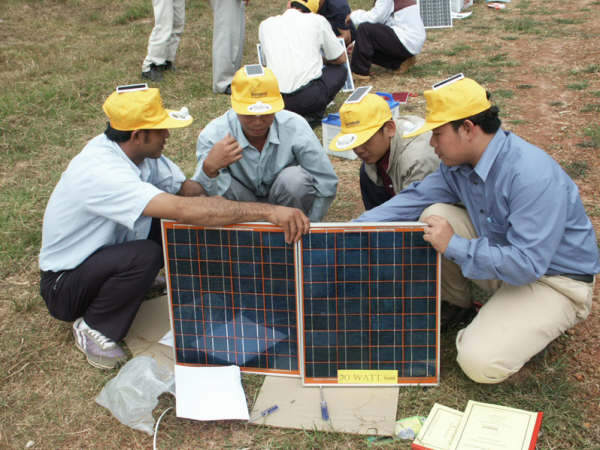
Figure 8: Solar Home Systems Figure 9:
Sunlabob Installing Solar Panel
|
Regarding Lao PDR’s sunny climate and the fact that the sun produces the most abundant energy on earth, SHS is the perfect way to access electricity. Unlike other sources of energy, i.e. fossil fuel, natural gas, oil, that contribute to numerous environmental issues to the environment, renewable solar energy does not produce air or water pollution. In fact, it is rather environmentally-friendly. Solar panels absorb solar energy in its thermal devices and convert the natural resource into electricity without emitting CO2 or other harmful gases. Renewable solar energy does not produce greenhouse effects and therefore does not contribute to Global Warming. If you are concerned with the serious effects of Global Warming on our world today, solar energy is the key solution and savior. |
In real life, solar panels are available to everyone, but only the government or big companies use them because of their extremely-high initial cost. However, by using solar energy, people will be able to save hundreds of dollars each year, cut their power bills down, and preserve our planet from being polluted. |  |
 |
Materials used for solar power systems can cause harmful health and safety problems to the workers installing and those who come in contact with them. Arsenic, cadmium, inert silicon, some major hazardous materials used in solar panels can especially be dangerous to people when directly exposed. |
